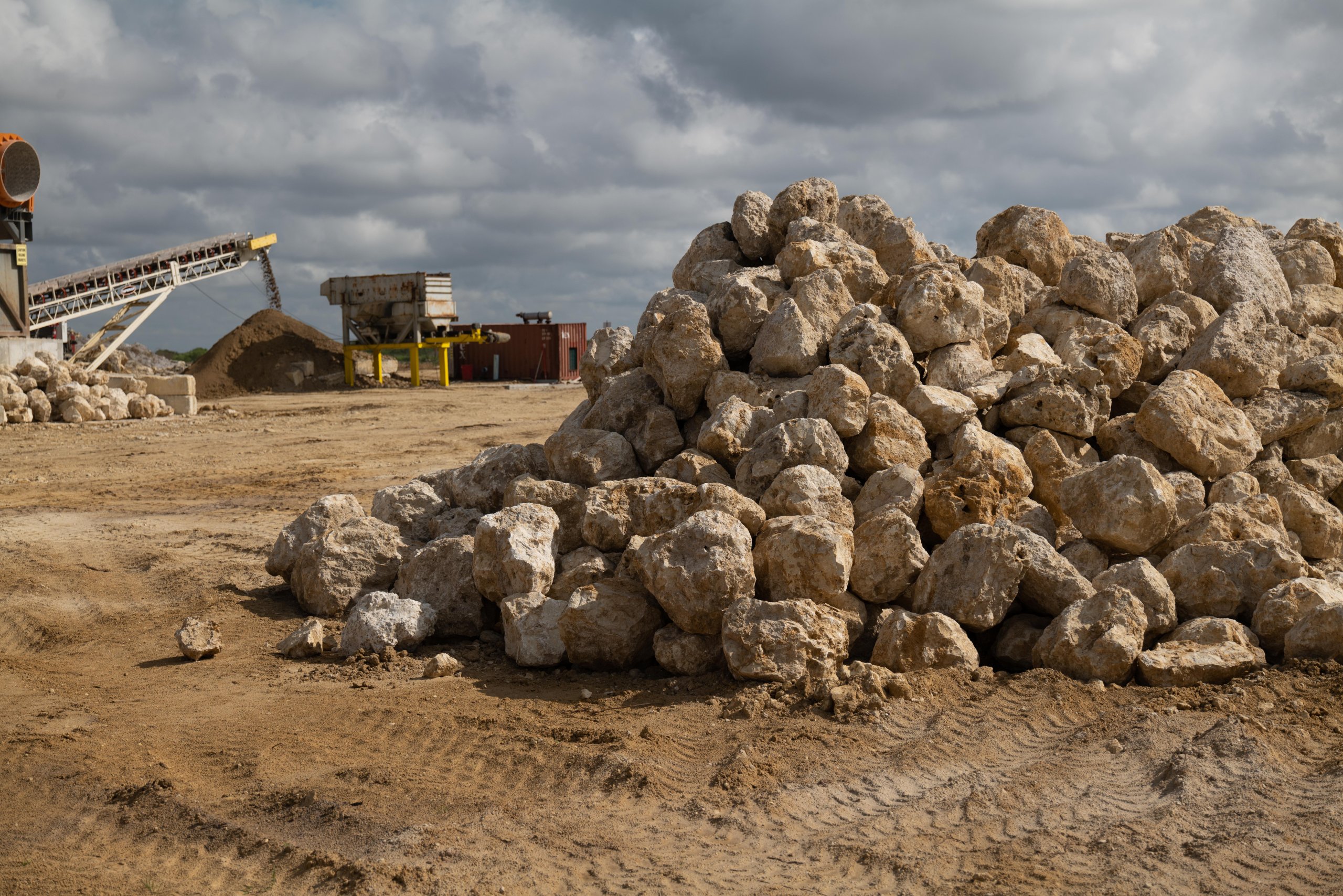
Florida’s stormwater management requirements are getting more demanding, and the 2026 Municipal Separate Storm Sewer System (MS4) permit cycle is bringing that reality into sharper focus for municipalities, developers, and civil contractors across the Gulf Coast. Understanding FDOT rip rap specs and how they apply to retention pond erosion control is no longer just a compliance checkbox. It is a long-term cost management decision that affects maintenance budgets, dredging frequency, and regulatory standing for years after a project closes out.
This post covers what has changed with the 2026 MS4 requirements, how properly specified rip rap prevents sediment buildup, and why the choice between natural and hardened shoreline solutions matters more than most project teams realize until it is too late.
What the 2026 MS4 Permit Cycle Means for Stormwater Retention in Florida
Tighter Standards for Erosion and Sediment Control
The 2026 MS4 permit update places greater emphasis on demonstrable, long-term erosion control performance in stormwater retention systems. Facilities that relied on vegetated slopes alone are increasingly being flagged during inspections for bank sloughing, sediment accumulation, and reduced storage capacity.
Florida’s high-intensity rainfall events accelerate these issues. A retention pond that loses bank material during a single storm season can see its effective storage volume drop by a meaningful percentage, reducing its ability to meet the design discharge rates it was originally permitted for. That is a compliance problem, not just a maintenance problem.
How Rip Rap Addresses the Root Cause of Sediment Buildup
Sediment accumulation in retention ponds is rarely a problem that starts at the bottom. It starts at the banks. When water velocity erodes unprotected slopes, that material migrates into the pond and settles. Over time, dredging becomes the only solution, and dredging is expensive.
Properly placed rip rap addresses this at the source by absorbing wave energy, resisting scour, and stabilizing the toe of the bank where erosion typically begins. Research and field experience consistently support that proactive rip rap placement in retention basins reduces long-term dredging costs by up to 40 percent compared to ponds relying solely on vegetated or unprotected slopes.
That figure is not hypothetical. It reflects the difference between a pond that requires dredging every eight to ten years and one that extends that cycle to fifteen or more years with properly installed bank protection.
Understanding FDOT Rip Rap Specs for Retention Applications
FDOT material specifications for rip rap are defined in the Standard Specifications for Road and Bridge Construction and referenced in drainage design standards. For retention pond bank protection, the most commonly specified classes are:
- Class I Rip Rap: Suitable for low-velocity applications and minor channel protection. Typical stone size ranges from 15 to 150 lbs.
- Class II Rip Rap: Used for moderate flow conditions and pond bank stabilization. Typical stone size ranges from 50 to 250 lbs.
- Rubble Rip Rap: Broken concrete or fieldstone used in lower-risk applications. Acceptance depends on project specifications and engineer approval.
The class required for a specific retention pond depends on the design water surface elevation, bank slope, inflow velocity, and the surrounding soil type. These determinations should be made by a licensed engineer, and the material sourced must meet gradation, specific gravity, and durability requirements outlined in the applicable FDOT specification section.
If you have questions about which aggregate materials meet Florida project specifications, our Florida aggregates FAQ addresses common material and compliance questions in plain language.
Natural vs. Hardened Shoreline: Choosing the Right Approach
Not every retention pond requires a fully hardened rip rap shoreline. The right solution depends on site conditions, regulatory requirements, and long-term maintenance goals. Here is a practical comparison:
| Factor | Natural / Vegetated Shoreline | Hardened Rip Rap Shoreline |
|---|---|---|
| Upfront Cost | Lower | Higher |
| Long-Term Maintenance | Higher (mowing, replanting, erosion repair) | Lower (occasional inspection and reset) |
| Erosion Resistance | Moderate — vulnerable in high-intensity rain events | High — effective in high-velocity and high-volume flow |
| Dredging Frequency | More frequent | Less frequent |
| MS4 Compliance Risk | Higher in high-rainfall zones | Lower with proper specification |
| Best Application | Low-slope, low-inflow ponds in stable soil | High-inflow areas, steep banks, outfall zones |
Many retention systems benefit from a hybrid approach: vegetated buffer zones on stable upper slopes with rip rap protection concentrated at the toe of the bank, around inlet and outlet structures, and along any high-flow channels feeding the pond.
Where Rip Rap Placement Matters Most
Across retention pond projects in Southwest Florida, the areas that fail first are almost always predictable. Prioritizing rip rap placement in these locations delivers the best return on material investment:
- The toe of the bank along the full perimeter, where wave action and water level fluctuation concentrate scour energy
- Around stormwater inlet and outlet structures, where concentrated flow velocity is highest
- Along swale channels that discharge directly into the pond
- Any bank section with slopes steeper than 3:1
These are the areas where an unprotected slope fails first and where sediment migration into the pond begins. Addressing them during initial construction or a retrofit is significantly less expensive than addressing them after a failure has occurred.
To learn more about Delta Aggregate’s Gulf Coast operations and how we support stormwater and civil contractors across Florida and Georgia, visit our about us page.
Frequently Asked Questions
What are the FDOT rip rap specs for retention pond bank protection?
FDOT specifies rip rap by class based on stone size gradation, durability, and specific gravity requirements defined in the Standard Specifications for Road and Bridge Construction. For retention pond applications, Class I and Class II rip rap are most commonly used. The appropriate class is determined by a licensed engineer based on site-specific hydraulic conditions, bank slope, and inflow velocity.
How does rip rap help with stormwater management in Florida?
Rip rap stabilizes retention pond banks by absorbing wave energy and resisting scour during high-intensity rainfall events. This prevents bank material from eroding into the pond, which protects storage volume, reduces sediment accumulation, and helps facilities maintain the discharge performance required under Florida stormwater permits including the MS4 program.
How much can rip rap reduce retention pond dredging costs?
Proactive rip rap placement in retention basins can reduce long-term dredging costs by up to 40 percent by slowing the rate of sediment accumulation. Ponds with properly protected banks typically extend their dredging cycle from roughly every eight to ten years to fifteen or more years, representing significant savings over the life of the facility.
What is the difference between natural and hardened shoreline solutions for retention ponds?
Natural shoreline approaches rely on vegetation to stabilize pond banks. They cost less upfront but require more maintenance and are more vulnerable to failure during high-intensity Florida rain events. Hardened rip rap shorelines have higher upfront material costs but perform better in high-flow conditions, require less long-term maintenance, and carry lower compliance risk under the 2026 MS4 permit requirements. Many sites benefit from a combination of both approaches.