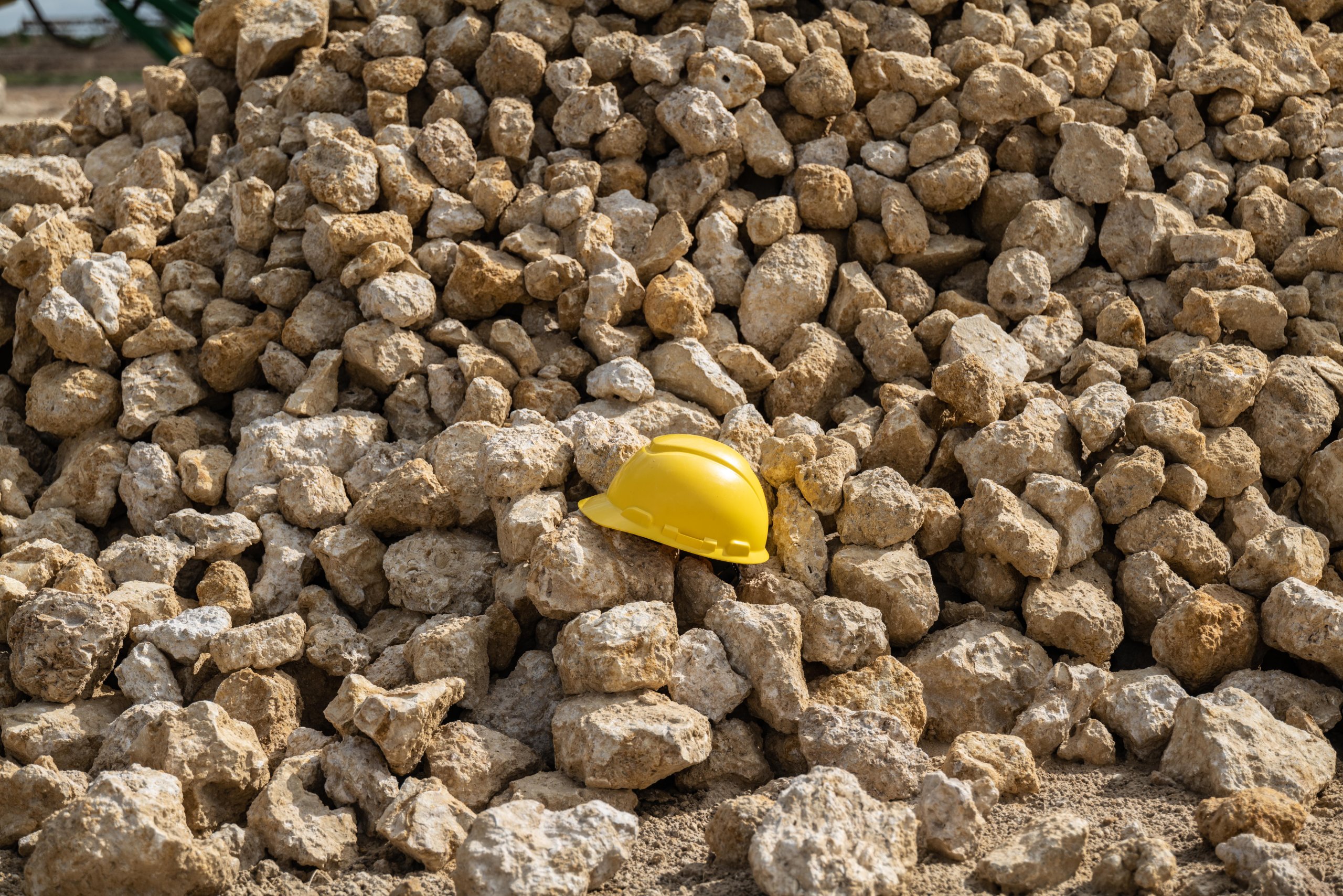
For contractors operating across the Florida-Georgia corridor, understanding the differences between state material specifications is not optional, it is what separates a smooth project closeout from a rejected load and a blown schedule. Type B rip rap in Georgia is one of the most commonly specified erosion control materials on GDOT projects, and it carries requirements that diverge in meaningful ways from what Florida contractors are used to working with. Getting those details right before material ships is always less expensive than dealing with the consequences on site.
This post breaks down what GDOT Type B rip rap requires, how it compares to FDOT Class II, where sourcing mistakes typically occur, and what cross-state delivery from a Gulf Coast supplier actually looks like in practice.
GDOT Type B Rip Rap: What the Specification Actually Requires
Material and Gradation Requirements Under GDOT Section 805
GDOT defines rip rap specifications under Section 805 of the Standard Specifications for Construction of Roads and Bridges. Type B rip rap is the mid-range classification most commonly used for channel lining, slope protection, and outfall stabilization on Georgia DOT projects.
Key gradation requirements for GDOT Type B rip rap include stone that is predominantly in the 25 to 150 lb range, with specific limits on the percentage of material that can fall below or above that band. The specification also requires that stone be hard, durable, and resistant to weathering — characteristics verified through specific gravity and absorption testing.
GDOT requires a minimum specific gravity of 2.5 for rip rap material. This is a non-negotiable threshold. Material sourced from quarries producing softer limestone or shell-heavy limerock that does not meet this threshold will fail testing and be rejected at the project site.
GDOT Type B vs. FDOT Class II: A Side-by-Side Comparison
Florida contractors bidding Georgia work for the first time often assume FDOT Class II rip rap is a functional equivalent to GDOT Type B. The overlap is real, but the differences matter enough to verify before you source.
| Specification Factor | GDOT Type B Rip Rap | FDOT Class II Rip Rap |
|---|---|---|
| Governing Specification | GDOT Section 805 | FDOT Standard Specifications |
| Typical Stone Size Range | 25 – 150 lbs (predominant) | 50 – 250 lbs (predominant) |
| Minimum Specific Gravity | 2.5 | 2.3 (varies by source approval) |
| Gradation Tolerance | Strictly defined by weight class bands | Defined by class with field tolerance |
| Common Applications | Channel lining, slope armor, outfall protection | Pond banks, channel protection, coastal slopes |
| Source Approval Required | Yes — GDOT QPL or engineer approval | Yes — FDOT APL or project engineer |
The specific gravity difference is where Florida-sourced limerock most often creates problems on Georgia projects. Florida limerock is abundant and cost-effective, but its specific gravity frequently falls below the 2.5 threshold GDOT requires. If your supplier cannot provide certified test results confirming compliance, do not accept the load.
Common Sourcing Mistakes That Lead to Rejected Material
Most material rejections on Georgia DOT projects are not random. They follow predictable patterns that experienced suppliers and contractors know to avoid:
- Assuming FDOT approval transfers to GDOT projects. It does not. Each state maintains its own approved product list, and a material source approved in Florida requires separate qualification in Georgia.
- Skipping pre-shipment gradation testing. Visual inspection of stone size in the yard is not a substitute for certified gradation testing. Loads that look right can still fail the weight-band breakdown required under Section 805.
- Sourcing from unapproved quarries to save on haul cost. Proximity does not equal compliance. A closer source that cannot produce certified test results creates far more cost than the haul savings justify.
- Ordering by volume rather than weight class. Rip rap is specified by stone weight and gradation, not cubic yards. Ordering in volume terms introduces ambiguity that creates disputes at delivery.
Pre-Delivery Verification Checklist for Georgia Rip Rap Projects
Before any rip rap load ships for a GDOT project, confirm the following:
- Certified gradation test results on file and available for the inspector
- Specific gravity test results confirming 2.5 minimum from an accredited lab
- Source quarry documentation confirming GDOT qualification or engineer pre-approval
- Order placed by weight class, not volume
- Delivery schedule coordinated with placement crew to prevent segregation during stockpiling
For general questions about aggregate material standards across Florida and Georgia projects, our Florida and Georgia aggregate specifications FAQ is a practical starting point.
Cross-State Delivery from the Gulf Coast: What to Expect
Sourcing rip rap from a Gulf Coast aggregate supplier serving Florida and Georgia offers real logistical advantages for projects in South Georgia. Proximity to the Florida-Georgia border corridor from Southwest Florida means haul distances to project sites in the Valdosta, Tifton, or Albany areas are comparable to sourcing from many in-state Georgia suppliers.
Lead time expectations for cross-state delivery depend on project volume and scheduling. For orders under 500 tons, standard lead times of five to seven business days are typical when material is in inventory. For larger highway or DOT projects requiring staged delivery over multiple weeks, early coordination with your supplier is essential to reserve inventory and align truck scheduling with your placement crew.
To learn more about Delta Aggregate’s material inventory and delivery capabilities, visit our about us page.
Frequently Asked Questions
What is GDOT Type B rip rap used for?
GDOT Type B rip rap is used primarily for channel lining, slope protection, and stormwater outfall stabilization on Georgia DOT highway and infrastructure projects. It is a mid-range stone classification suitable for moderate flow velocity applications where erosion control is required under GDOT Section 805 specifications.
How does GDOT Type B rip rap differ from FDOT Class II rip rap?
The primary differences are in specific gravity requirements and gradation band definitions. GDOT requires a minimum specific gravity of 2.5, which is higher than the threshold commonly accepted under FDOT specifications. Stone size ranges also differ, with GDOT Type B skewing slightly smaller than FDOT Class II. Florida contractors working in Georgia should verify their material source against GDOT Section 805 before shipping, not after delivery.
Can a Gulf Coast aggregate supplier deliver rip rap to Georgia projects?
Yes. Gulf Coast suppliers with inventory in Southwest Florida regularly deliver to South Georgia project sites, with haul distances to the border corridor that are competitive with many in-state Georgia quarries. The key considerations are material certification, GDOT source qualification, and advance scheduling to align delivery with your placement timeline.
What causes rip rap to be rejected on GDOT projects?
The most common rejection causes are gradation failures (stone size distribution outside the specified weight-class bands), specific gravity test results below the 2.5 minimum, and material sourced from quarries not on the GDOT qualified products list. Requiring certified test documentation from your supplier before material ships is the most reliable way to prevent on-site rejection.